- Home
- Showcase 2025
Project finale · May 2–3, 2025
NAMSAS Virtual Showcase: Preserving Cultural Stories
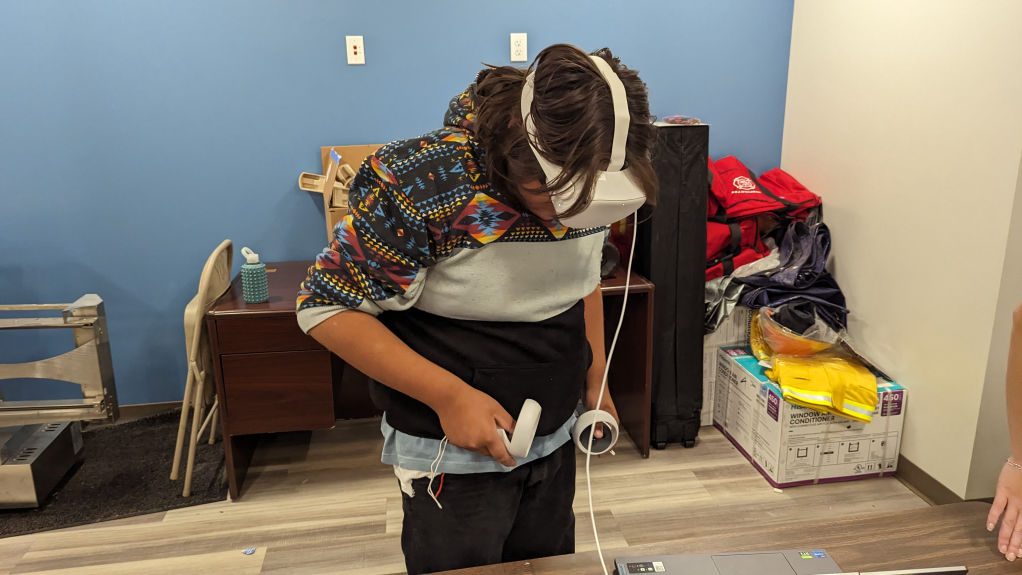
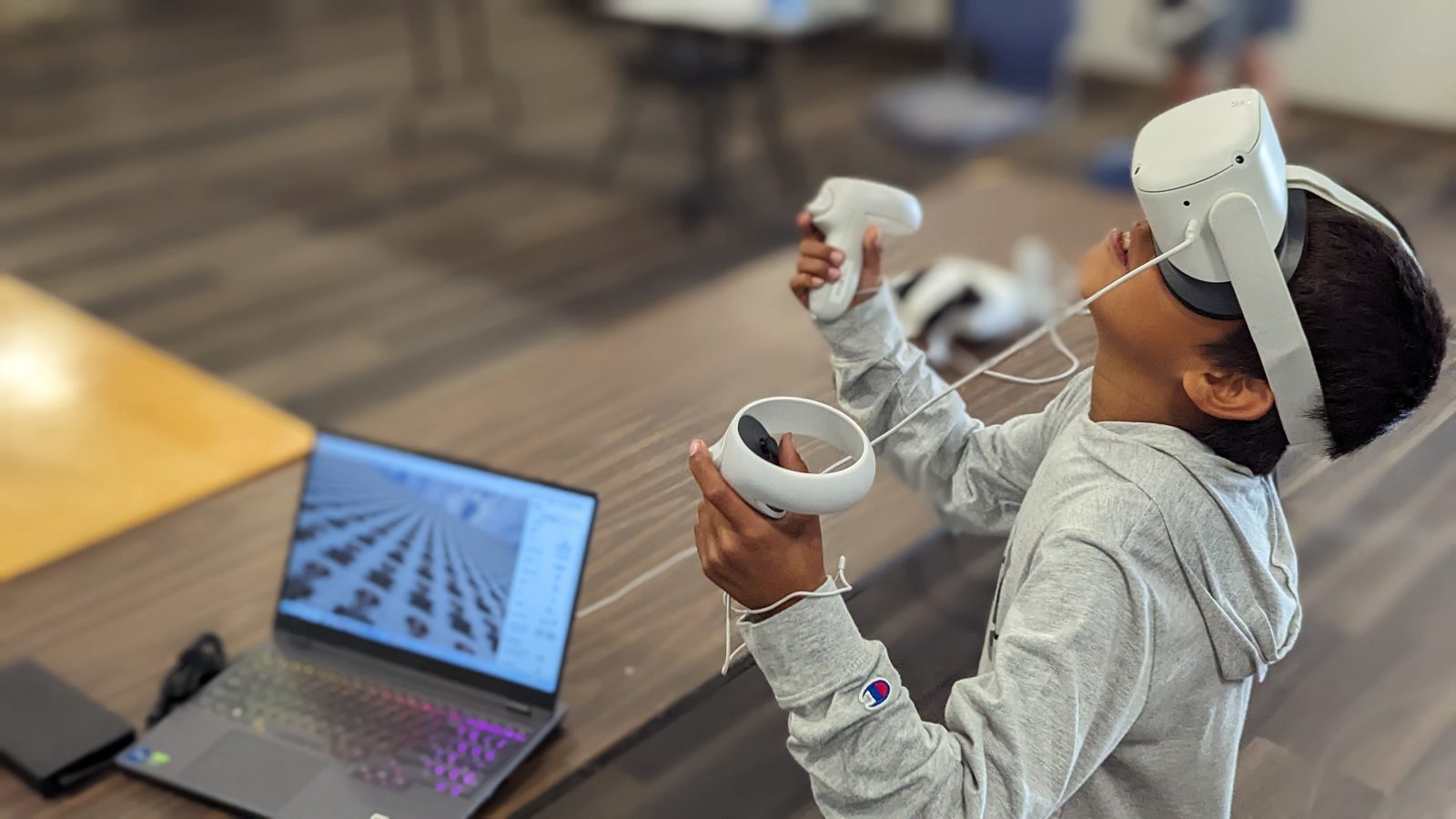
The culmination of our four-year NSF initiative. Students from many Tribal Nations came together at Oklahoma State University’s Mixed Reality Lab for a two-day hackathon, designing virtual museums that honor their tribal heritage and presenting them in virtual reality.
Many Nations, one room
Bringing the tribes together
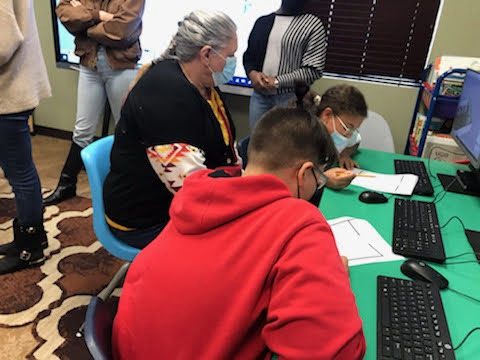
Participating students represented a diversity of tribal affiliations, working side by side on tribal-centered design and technological empowerment.
- Cherokee
- Choctaw
- Apache
- Citizen Potawatomi Nation
- Creek
- Seminole
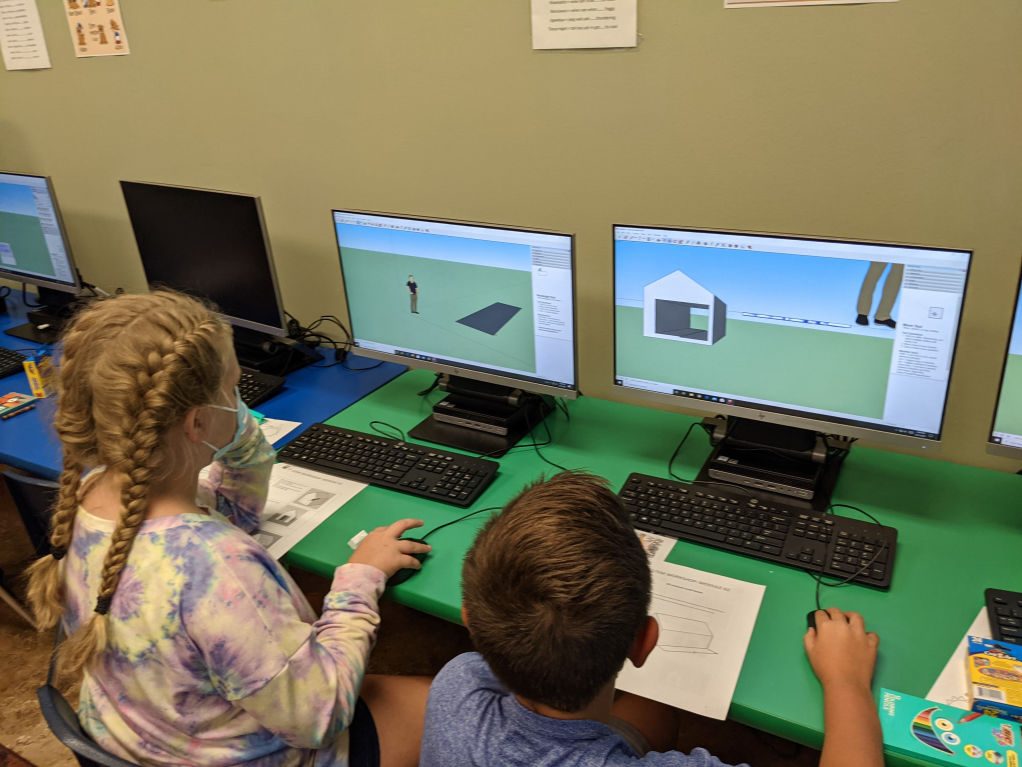
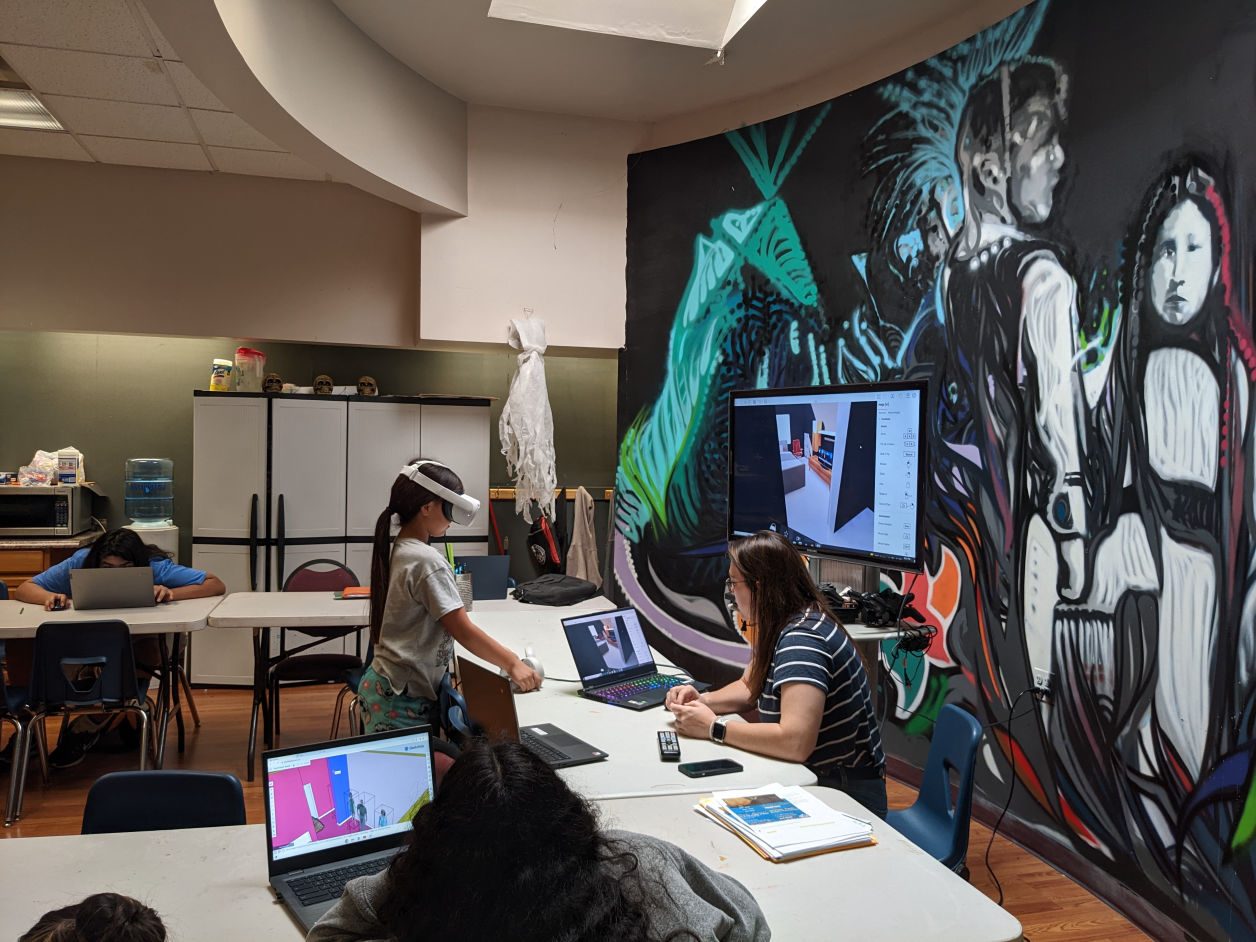
Students formed seven self-selected groups of 3 to 5 participants. Their task was to design a virtual museum that highlights aspects of their tribal heritage. Using SketchUp for 3D modeling and Enscape for real-time rendering and virtual walkthroughs, they created spatially rich, culturally meaningful environments that could be navigated in virtual reality.
Inside their museums, students placed digitally preserved cultural artifacts: high-resolution 3D scans of objects from the Spiro Mounds Archaeological Center made earlier in the project. Working with these scans, they saw how emerging technologies can help preserve and interpret Indigenous history, while building skills in virtual design, digital heritage preservation and spatial computing.
The experience culminated in VR presentations before an expert panel that included Dr. Tom Furness, often called the “Grandfather of Virtual Reality.”
The design challenge
How to design your virtual museum
The ten steps every team followed, from a first idea to a guided tour in VR.
- Get your missionYou’re making a virtual museum to tell the story of your culture and community. What do you want people to learn when they walk through it?
- Pick a theme or storyYour tribe’s history? Important people? Animals? Art? Write down 2–3 ideas your museum will teach.
- Plan your museumDraw it first. Sketch the rooms you’ll need, such as an entry, a story room, artifact displays and a gathering space, and how people move between them.
- Use your Design Ethos cardsPick a few values to guide your design, like Respect for Land or Community, and ask how your museum can show them.
- Start buildingUse 3D tools like SketchUp to add walls, paths, doors and windows. Make it yours.
- Add artifactsPlace objects inside your museum, including 3D scans from the Spiro Mounds collection. Label each so visitors understand its meaning.
- Add sound and storyBring the museum to life with music, stories or sound that go with your culture.
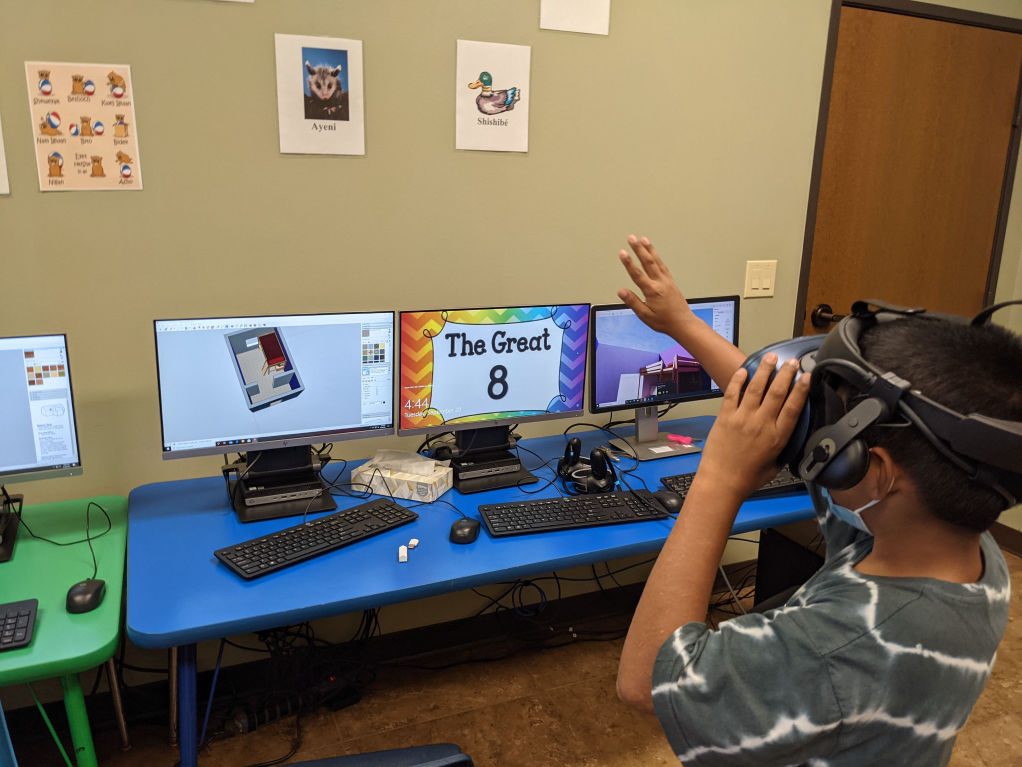
- Explore in VRPut on a headset and walk inside your museum. Check every room and fix anything missing.
- Show it offBe the tour guide. Walk others through your space and explain your design.
- Reflect & celebrateWhat surprised you? What are you proud of? What would you change next time?
Design Ethos cards
Indigenous values for culturally grounded design
Teams drew from this card deck to choose the values their museum would express in space.
Reciprocity
We help each other.
Design idea: A space where people can share, like a circle where everyone can talk or trade ideas.Relationality
Everything is connected: people, animals, land and stories.
Design idea: Paths or patterns that link different parts of the space.Respect for Land
The Earth is important and we should treat it kindly.
Design idea: Natural colors and materials that fit into nature.Responsibility
We take care of each other and the world.
Design idea: Signs that teach, spaces that help others, ways to save energy and water.Community
We are stronger together.
Design idea: A place where people can gather, celebrate or just hang out.Balance
Life works better when everything is in harmony.
Design idea: Balance open and quiet spaces, light and dark colors.Ancestral Knowledge
Learning from our grandparents and ancestors.
Design idea: Artwork, stories or pictures that show history and family traditions.Interconnectedness
Everything we do affects something else.
Design idea: Rooms connected in a way that shows how everything works together.Harmony
Living peacefully with others and with nature.
Design idea: Gentle shapes, nature themes, quiet areas to relax.Sustainability
Taking care of the planet so it lasts a long time.
Design idea: Reused materials, plants and sunlight.Indigeneity
Being proud of your Native identity and culture.
Design idea: Your tribe’s symbols, stories or language, so it feels like home.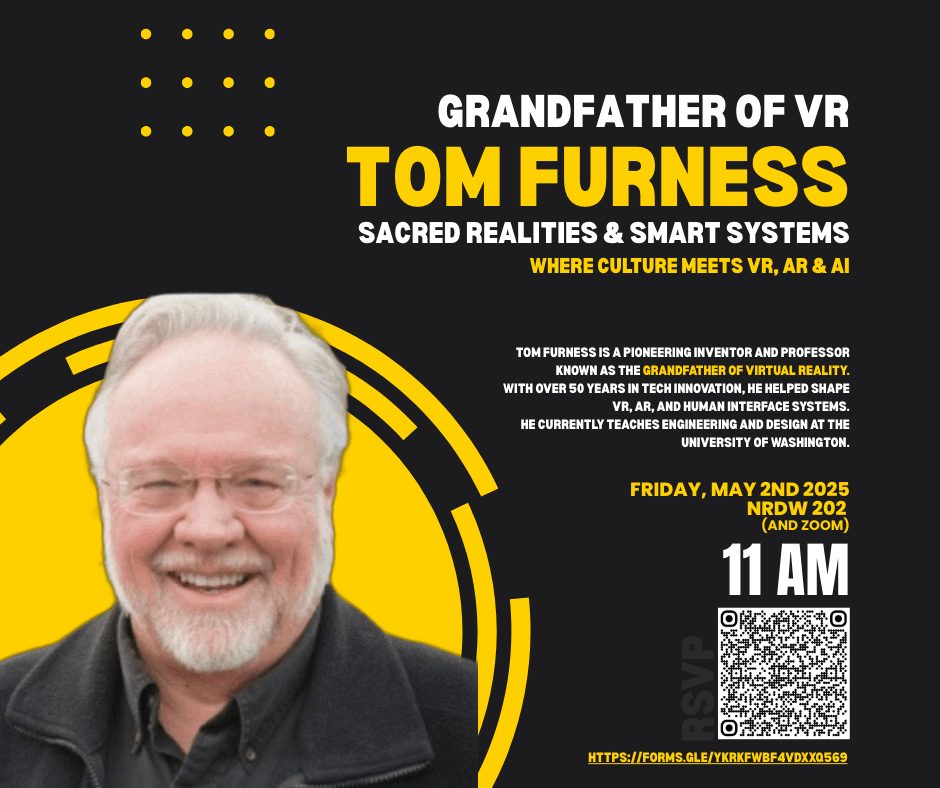
Keynote
Dr. Tom Furness
Often called the “Grandfather of Virtual Reality,” Dr. Furness is a pioneer in human interface technology with over 50 years of innovation. A former U.S. Air Force engineer and professor at the University of Washington, he has led groundbreaking work in VR, AR and human-computer interaction.
- Lecture
- Sacred Realities & Smart Systems: Where Culture Meets VR, AR & AI
- Date
- Friday, May 2, 2025 · 11:00 AM
- Location
- NRDW 202, Oklahoma State University
Two days
The program
Day 1Friday, May 2
- Welcome and keynote by Dr. Tom Furness
- Event overview and team formation
- Refresher: generative AI for content creation
- Museum concept planning
- Refresher: SketchUp 3D modeling
- Museum design and modeling
- Integrating the 3D-scanned artifacts
Day 2Saturday, May 3
- Morning kick-off and Day 1 recap
- Refresher: 3D scanning and printing
- Exhibit building
- Refresher: VR navigation
- Final touches and VR testing
- VR presentations to the expert panel
- Closing: certificates and awards
Impact
Students left more confident about their futures
Share of students answering “Yes” to “This experience gave me more confidence that I could…” in the post-event survey.
more confident they could go to college
more confident they could major in STEM
more confident they could get a job in technology
In their words
“What was your favorite part?”
Immersive technology
“The building in VR”
“Decorating the VR room”
“The grandfather of VR”
Skills and confidence
“Learning how to use the computer better”
“It was very interesting using all types of software”
Creative expression
“Presenting and building my museum”
“Designing”
Connection
“Working with my friends and learning something new”
“Being able to connect with others in ways you don’t usually”
Pure joy
“EVERYTHING! It was an awesome experience”
For teachers
Showcase resources
Everything teams used to design their museums. Reuse them for your own virtual museum project.
Gallery
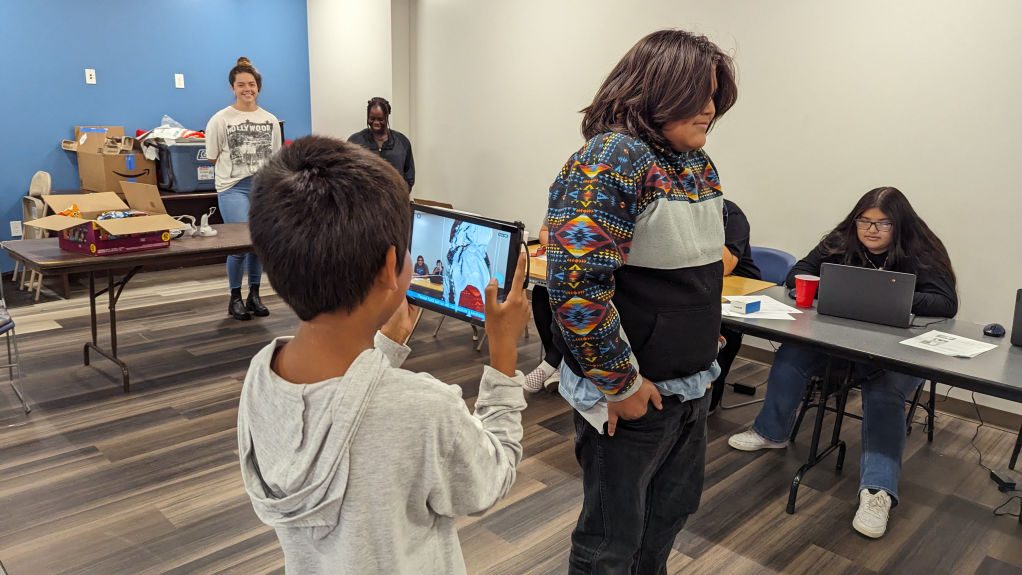
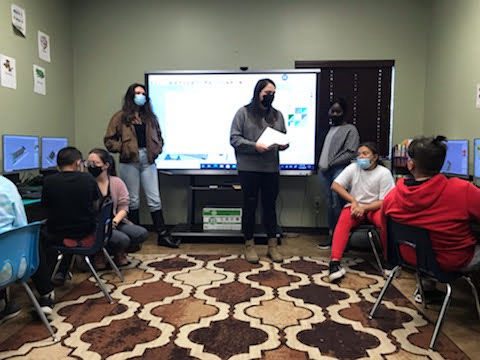
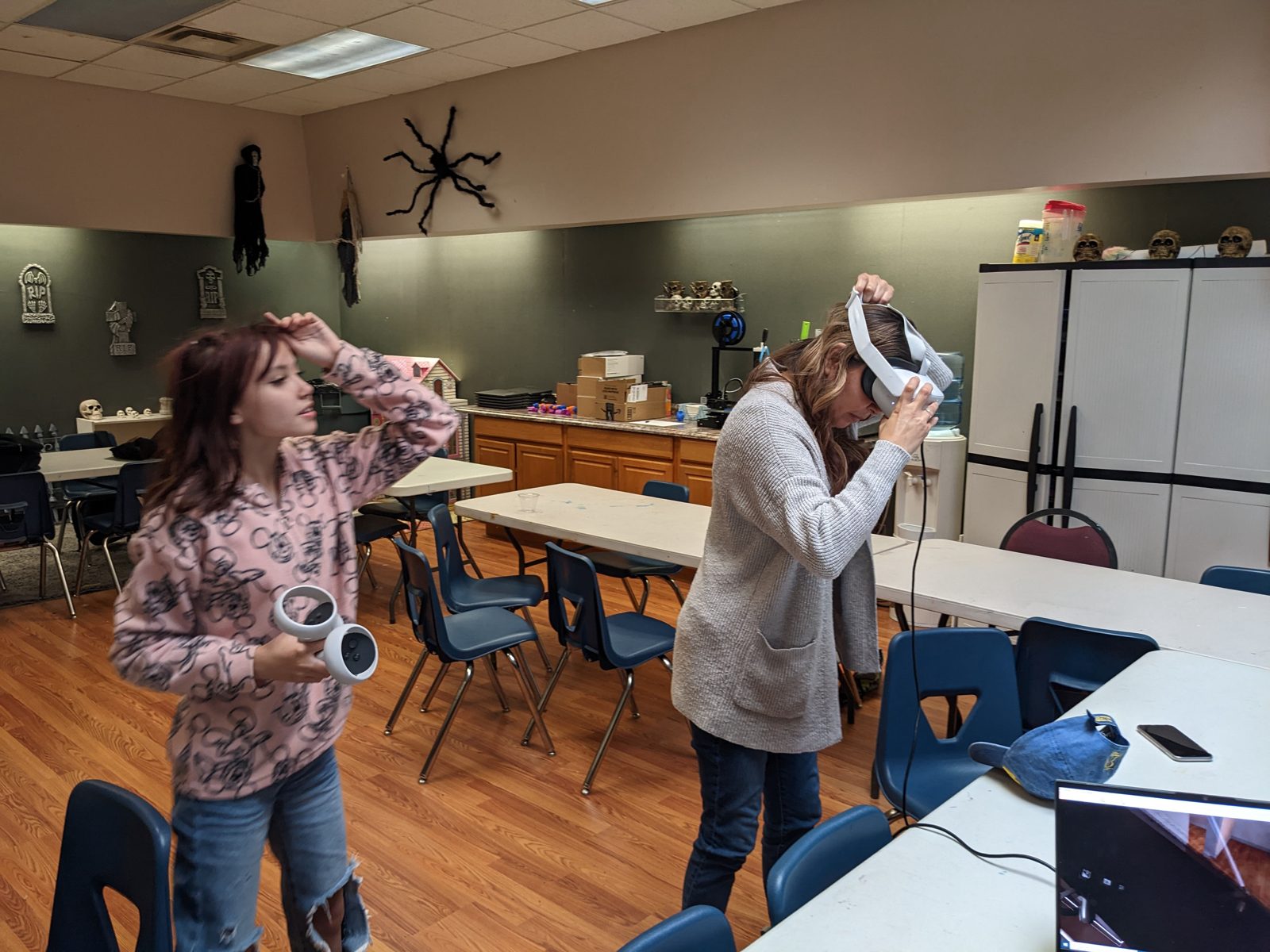
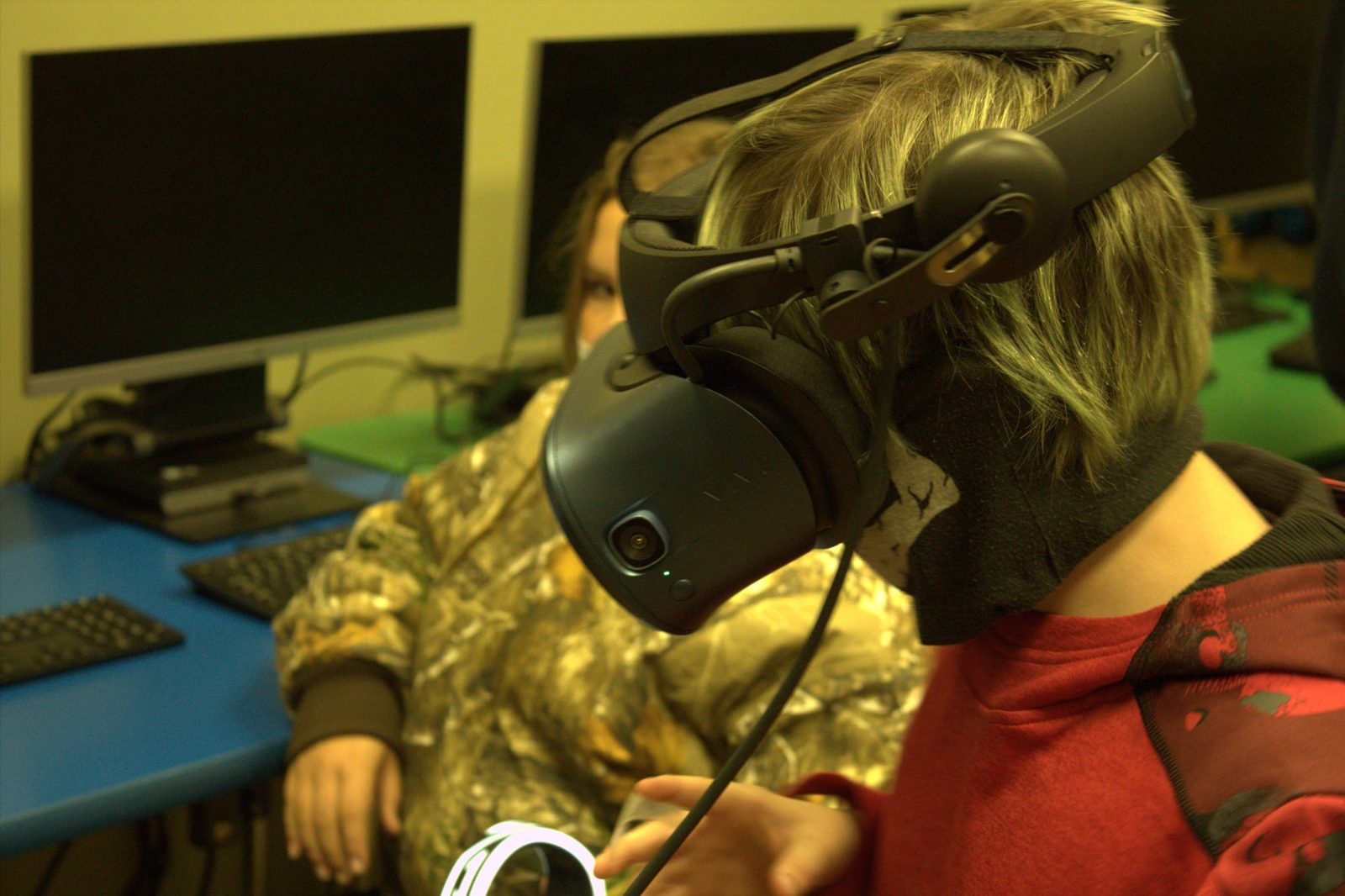
Moments from the NAMSAS program